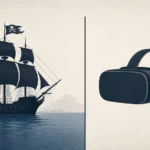

A cautious relevance check explains why VR readers should withhold an immersive label for Star Wars Zero Company until stronger, direct evidence appears. The supplied report does not establish an immersive connection. For a VR-focused publication, clear labeling avoids confusing a recognizable franchise with a demonstrated experience format. This is not a dismissal of the project; it is a boundary around what can responsibly be said from the material provided.
What has been established
The supplied extract describes Star Wars Zero Company as an explosive turn-based tactics game built around misfits and mercenaries. It identifies Bit Reactor as collaborating with Respawn Entertainment and Lucasfilm Games. The tactics description establishes the project’s basic genre framing. The named collaboration establishes a credited creative relationship. They do not turn a short description into a report on immersive play. Nothing in that limited description establishes how players interact with the game beyond its tactics label. That restraint keeps the article aligned with the evidence instead of filling gaps with familiar assumptions. Calling this a hands-on VR report would therefore go beyond the supplied evidence.
What is missing from the XR case
The extract does not say Star Wars Zero Company supports VR, XR, mixed reality, or location-based entertainment. That absence is an evidentiary limit rather than proof that an immersive version can never emerge. Readers should resist treating uncertainty as a feature announcement. Likewise, no connection can be drawn from franchise recognition alone. An immersive angle needs direct, supplied evidence before it becomes a useful descriptor. The distinction is especially important when an editorial label guides what readers expect to play or visit. A cautious label leaves space for later clarification while accurately describing the present state of the supplied record.
LBE context needs separate evidence
Out-of-home XR attractions are characterized in the context source as Location-Based Entertainment, or LBE XR. That source portrays the sector as a business-to-business-to-consumer route for reaching a wider audience. This definition helps distinguish an attraction-market discussion from a game-specific announcement. However, the supplied sources establish no relationship between Star Wars Zero Company and that market. Market vocabulary offers context, not confirmation. It cannot supply the missing product-level link. Using the two categories interchangeably would blur the line that the available information still leaves intact.
Why this matters to VR readers
For readers, the practical choice is simple: separate interest in the game from confidence about an immersive format. Keep Zero Company on a watchlist only if later material explicitly connects it to VR, XR, mixed reality, or an out-of-home attraction. Look for a direct statement that identifies the experience format instead of relying on association or market chatter. Do not let a broader LBE discussion substitute for evidence about this title. This method makes room for future news without overstating the current record. This discipline also prevents readers from mistaking a relevant franchise announcement for evidence of a relevant delivery format when choosing coverage for their own immersive interests.
Conclusion
Star Wars Zero Company has a supported identity as a turn-based tactics title. The supplied material does not establish it as an immersive experience. Until that changes, a relevance check is more useful than an XR label.