The Best Solo VR Adventures on the Meta Quest 3 and 3S
Hey VR enthusiasts! You know how we’re always chasing that holy grail of photorealistic, real-time rendering in the world of computer graphics? Well, buckle up, because today we’re diving into something revolutionary: 3D Gaussian Splatting. This isn’t just some fancy buzzword—it’s a legit game-changer, and I’m here to break it down for you in VR blogger style.
What the Heck Is 3D Gaussian Splatting?
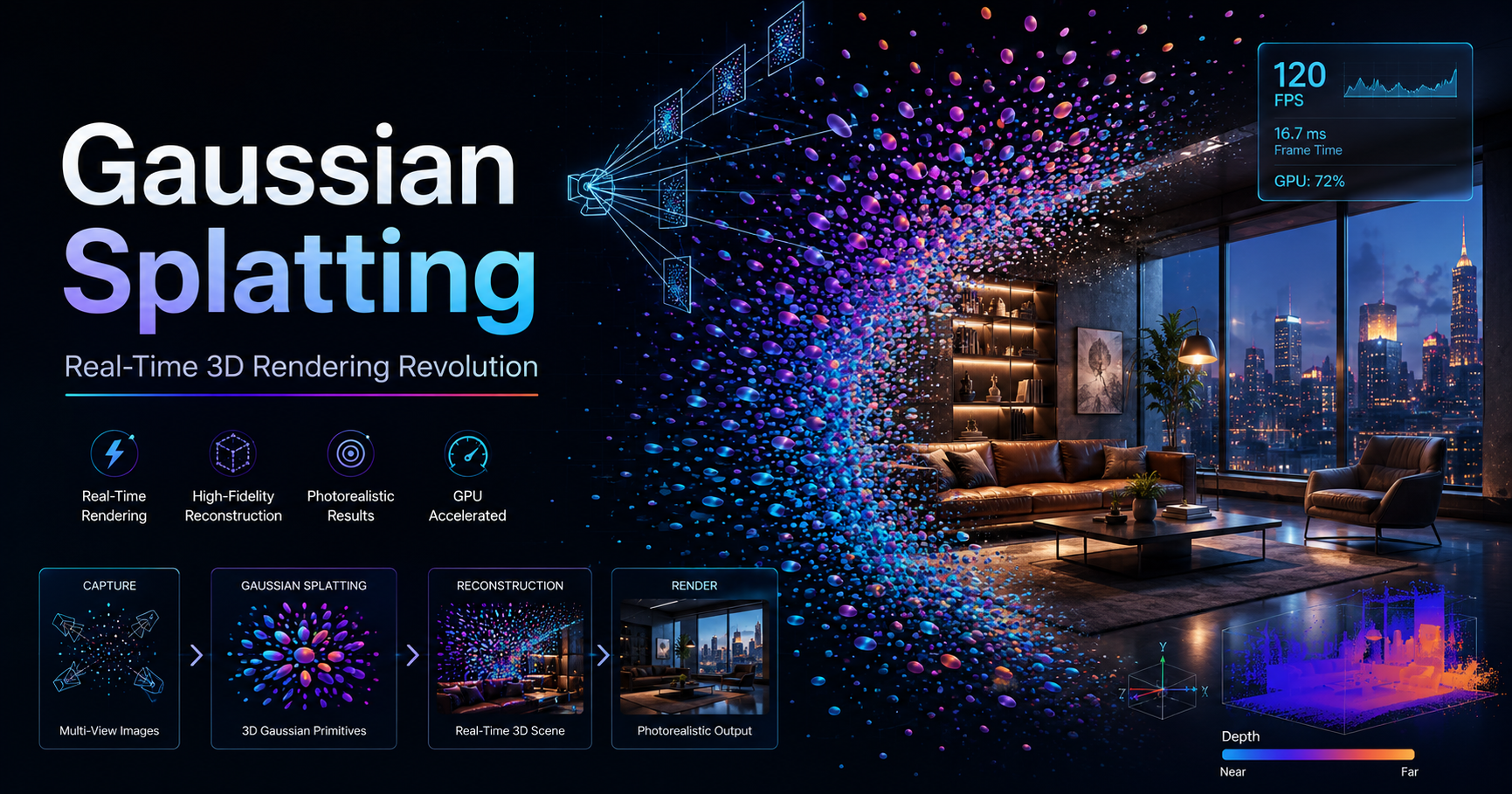
Picture this: instead of relying on polygons or those super-slow neural networks like NeRF, imagine a world where your favorite 3D scenes are built from tiny, magical shapes called “splats.” These are 3D Gaussian ellipsoids, and they’re the secret sauce behind this new tech.
Here’s the TL;DR:
- Scenes are represented by a bunch of these splats, each with parameters like position, shape, color, and opacity.
- It starts with snapping photos of a static scene from different angles. (Think Structure-from-Motion for those in the know!)
- Then, you optimize these splats to perfectly match the geometry and look of the scene.
- Finally, a rendering process transforms all this into a smooth 2D image in real time. Yes, you read that right—REAL TIME.
Why It’s a Big Deal for Graphics and VR
If you’ve been grinding your teeth over slow rendering speeds, Gaussian Splatting is like a breath of fresh air. Unlike NeRFs, which can be painfully slow because of their neural networks, this method is all about speed and quality. Imagine rendering photorealistic scenes at 1080p and over 30 FPS. That’s not just impressive—it’s revolutionary.
Here’s why Gaussian Splatting has my VR-loving heart:
- Editing Made Easy: Artists can tweak individual splats for real-time adjustments. Forget about the opaque, headache-inducing neural network layers.
- Blazing Speed: Faster rendering means smoother experiences, whether you’re in a VR headset or watching a 3D demo.
How This Impacts VR and Beyond
Okay, let’s geek out for a second on where this could take us:
1. Film and Virtual Production
Directors can interact with realistic digital sets live, without the lag. Picture walking through a scene in your VR headset and adjusting it on the fly. Yeah, it’s that cool.
2. VR and AR Experiences
For us VR junkies, Gaussian Splatting means better graphics on even mid-tier devices. Immersion gets a massive upgrade when visuals stop lagging behind.
3. Digital Twins and Simulations
Urban planners, architects, and even game devs can use this tech to create ultra-detailed virtual replicas of real-world locations. Autonomous car simulations? They just got a whole lot more realistic.
The Challenges (Because Nothing’s Perfect)
Of course, Gaussian Splatting isn’t all rainbows and unicorns. Representing large scenes with millions of splats can eat up a lot of memory. Plus, integrating it into existing workflows—especially with older hardware—takes some work. But hey, every groundbreaking tech has its growing pains, right?
What I’m most excited about is the ongoing research. They’re already looking at ways to make this work for dynamic scenes (hello, moving characters!) and combining it with other rendering methods for hybrid solutions. The future is bright, folks.
Why You Should Care About Gaussian Splatting
Let me spell it out: Gaussian Splatting isn’t just for developers or hardcore graphics nerds. This tech has real potential to make VR worlds sharper, smoother, and way more immersive. Imagine stepping into a game or experience where the visuals are so good, you forget it’s virtual. That’s the dream we’re chasing.
Wrapping It Up: A New Era in Graphics
So, there you have it. 3D Gaussian Splatting is here, and it’s changing the game in ways we couldn’t have imagined a few years ago. Faster rendering, easier editing, and incredible visuals? Sign me up.
If you’re as hyped about this as I am, check out these resources to learn more:
- Official Code Repos: Dive into the tech with the original implementation.
- Community Papers: Stay up-to-date with the latest advancements.
- Tutorials: Get hands-on and see what all the fuss is about.
What do you think about 3D Gaussian Splatting? Could this be the future of VR rendering? Let me know in the comments or hit me up on socials. Until next time, keep splatting and stay immersive! 🎮✨